
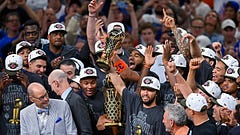
An essay by Rron Thaci, Consumer & Culture
The Billion-Dollar Fan Club
Why investors are paying billions for sports franchises, and whether the fans who make them valuable can be pushed too far.
Substack version5 min readPublished Oct 2026
There aren’t many businesses that can disappoint their customers for a decade and expect them to come back the following year.
This topic speaks to me. As a pro basketball player, now a VC investor, and unfortunately, a Chicago Bulls fan, I like to think I’m uniquely positioned for this conversation.
Growing up in downtown Chicago, supporting the Bulls was hardly a decision. It came with the city, and my love for the sport. I still haven’t experienced any of the success that comes with it, but I’ve always been loyal to a franchise that has given me plenty of reasons to reconsider.
From a business perspective, it’s a strange arrangement. Most companies spend heavily acquiring customers and keeping them from leaving. A sports franchise can put out a disappointing product for years without necessarily losing the relationship, quick rant lol.
That distinction is becoming increasingly valuable.
Sportico estimates the average NBA franchise is now worth $6.64 billion, up 21% from last year. Meanwhile, Seattle and Las Vegas are being considered for expansion, with potential entry fees reportedly reaching $7–10 billion per team.
The conventional explanation is straightforward: scarce franchises, valuable media rights, historical appreciation, and a growing global audience.
But I think the more interesting explanation starts with the fans.
The NBA isn’t simply selling basketball. It’s selling access to relationships that can last for generations.
Losing Games, Not Fans
Most people don’t pick an NBA team by comparing thirty available options. They inherit one.
Geography, family, and community create attachments long before anyone considers whether the team is worth supporting. A Celtics fan who moves to New York doesn’t automatically become a Knicks fan, and a losing season rarely sends them searching for another franchise.
This creates an unusual economic advantage.
A team might lose a season-ticket holder for several years yet retain someone who watches highlights, follows trades, buys merchandise, and eventually returns.
Losing a customer, even over a few years, isn’t necessarily losing a fan.
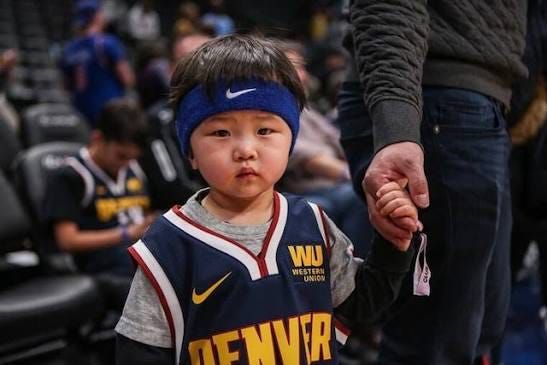
And that relationship can last decades, sometimes passing from one generation to the next. The opportunity isn’t simply selling more tickets today. It’s having an audience that may still be there when the business discovers entirely new ways to generate revenue.
Private Equity is Lurking
Institutional investors historically had limited access to professional sports. The NBA is now allowing approved funds to acquire minority stakes, opening a scarce alternative asset class.
The financial appeal extends beyond any individual team’s success.
NBA franchises participate in shared commercial arrangements, including an eleven-year national media agreement with Disney, NBCUniversal, and Amazon reportedly worth approximately $76 billion. Live games deliver audiences that broadcasters struggle to replicate elsewhere.
Franchise supply is controlled, too. You can raise billions and build an arena, but the existing owners still decide whether you can join the league. Kind of culty, but makes for a pretty substantial moat.
For investors, that combination is compelling: limited supply, collective commercial rights, global growth, and remarkably durable demand.
But a great asset isn’t automatically a great investment at any price.
Minority owners may have limited control, cash distributions can be modest relative to valuations, and substantial returns may depend on selling a stake to someone willing to pay even more.
As those entry prices rise, so does the incentive to find additional revenue.
That’s where the investment thesis becomes more complicated.
Who Built the Asset?
Seattle lost the SuperSonics in 2008. Nearly two decades later, its basketball culture remains. The merchandise, memories, and demand for another franchise never entirely disappeared.
A new ownership group could benefit from an emotional attachment it didn’t create.
Las Vegas presents a different opportunity, with an established entertainment economy and potential for sponsorships, tourism, and premium experiences.
Both illustrate something investors should understand:
Fans create value that owners can acquire, but cannot completely control.
The team can change owners, players, and arenas. The culture surrounding it can survive all three.
And that value increasingly extends beyond geography.
When I played overseas, it was common to see NBA jerseys at their country’s European basketball games. Today’s international stars, highlights, and digital distribution have made NBA fandom possible thousands of miles from a franchise’s home city.

A fan in Spain may never attend a Warriors game but can still contribute to the league’s commercial reach.
Same Game, Different Economics
International basketball has no shortage of passionate supporters. Having played on both sides, I’d argue the fan cultures are even more intense than in the States, at all levels.
Yet EuroLeague’s 2026 commissioned analysis valued its licensed clubs at approximately €1.8 billion combined, less than a quarter of the estimated value of just a single NBA franchise.
The valuations aren’t directly comparable, but the difference reveals something important.
Fan passion doesn’t automatically translate into financial value. The commercial system around it matters.
The NBA has built global distribution, collective media agreements, and a controlled franchise structure. European basketball has historically operated through a more fragmented network of domestic leagues and clubs.
EuroLeague now projects that its licensed clubs could triple in combined value over the coming decade as it develops a more permanent franchise model. The NBA is pursuing its own European ambitions.
There’s an opportunity to build a stronger business around Europe’s existing basketball culture. The challenge is doing so without stripping away the local identities and traditions that make it so valuable.
The Limit of Loyalty
I’m an alternatives investor, so I understand the attraction of recurring revenue and increasing customer lifetime value. But -
a loyal fan isn’t a customer with unlimited willingness to spend.
In 2024, Manchester United, one of the most prominent names in sports, raised prices on certain remaining tickets to £66 and removed concessions for children and pensioners, prompting supporter protests. The club defended the changes as part of strengthening its finances.

United isn’t a conventional PE-owned business, but the tension is familiar: a financial improvement can come at the expense of the relationship supporting the business.
And sports can hide that damage.
Fans may stop attending games before they stop caring. They may watch less without abandoning their team. Revenues and franchise valuations can continue growing while supporters become less connected to the experience.
The greater risk may be generational. If families can no longer afford to participate, tomorrow’s fans may never develop the attachment that made today’s franchise so valuable.
Better players, accessible broadcasts, community investment, and worthwhile experiences can strengthen that relationship. Raising prices can increase revenue per fan without doing the same.
Both affect financial performance. Only one necessarily creates more lasting value.
The mistake is treating loyalty as something to extract rather than something to replenish.

So can private capital kill sports?
Probably not. Basketball doesn’t depend on any particular investment vehicle, franchise valuation, or media agreement to exist. People will keep playing in school gyms, outdoor courts, and neighborhood leagues regardless of what an ownership group decides to charge for tickets.
But individual organizations can weaken the communities around them, even while their financial valuations continue rising.
Private capital isn’t inherently killing sports. But the same durability that makes franchises attractive can prevent investors from recognizing when their underlying customer relationships are weakening, especially when the consequences may not be visible for years.
The next generation of successful sports investors will need to understand something beyond what a fan is worth today.
A fan’s lifetime value is only as durable as the next generation’s reason to care.
Share
Next essay